
What Does It Mean to Rekey a Lock?
What does it mean to rekey a lock? A locksmith changes the lock’s internal key combination so a new key works and the old key no longer operates that cylinder. The existing lock hardware stays in place.
Need help now? (240) 366-2739
What Does It Mean to Rekey a Lock in Practical Terms?
Rekeying changes which key operates a lock without replacing the lock’s exterior hardware. A locksmith adjusts the combination inside the lock cylinder and makes or prepares a key to match that new combination. The old key should no longer work in that rekeyed cylinder.
That is different from changing a lock. A lock change replaces some or all of the hardware, while rekeying keeps the existing lock when its condition and design allow it. Rekeying one door also does not automatically change the keys for other doors; each lock that needs to work with the new key must be addressed.
If you want several compatible locks to use one key, tell the locksmith before the work begins. Whether that is possible depends on the locks, so have the specific hardware assessed rather than assuming every lock can be keyed alike.
When Does Rekeying a House or Business Lock Make Sense?
Rekeying is often worth considering when the hardware still works properly but you want to control which keys operate it. Think about why you need a key change, then consider whether the lock itself is in good working order.
- A key is missing — If you cannot account for a key, rekeying the affected lock can make that key stop operating the cylinder. Identify every door that the missing key could open.
- Someone who had a key should no longer have access — After a household, staffing, or access change, rekeying can reset access without replacing sound hardware. Make a list of the locks involved so none are overlooked.
- You want to use a different key — A locksmith can assess whether the lock can be rekeyed to a key you already use. The locks must be compatible for one key to operate more than one.
- The lock is damaged or unreliable — If the key sticks, the cylinder is damaged, or the hardware does not operate correctly, rekeying alone may not address the problem. Ask a locksmith to inspect it and explain whether repair or replacement fits the condition.
Should You Rekey the Lock or Replace the Hardware?
The right choice depends on the lock’s condition and what you need to change. Rekeying changes key access; replacement changes the hardware.
Choose rekeying when the lock works and you want a new key
This option keeps the existing hardware in place while changing the key combination. It can suit a lost-key situation or a change in who should have access.
Ask about replacement when the lock is worn, damaged, or unsuitable
A new lock may be the better fit when the existing hardware is broken or you want different hardware. A locksmith can inspect the lock and discuss the options.
Check compatibility before planning one key for several doors
Locks may differ in design or condition. Have the specific locks assessed before counting on a single key to work across them.
Need help now? (240) 366-2739
What Happens During a Lock Rekeying Appointment?
A locksmith first identifies what you need, then checks the lock and tests the result. These steps can help you prepare and understand what should be confirmed before the job is finished.
- Identify every lock you want changed — Make a door-by-door list, including side or back entrances. Check the list against the doors you use so the locksmith knows which cylinders need attention.
- Explain who has had keys — Tell the locksmith whether a key is missing or whether access has changed. If you rent, speak with the property owner or manager before arranging work, and confirm which locks you may authorize.
- Describe any operating problems — Mention sticking keys, a loose lock, or a door that is hard to latch. Check whether the difficulty occurs with the key, the door, or both; that helps distinguish a key change from a hardware or alignment issue.
- Ask whether the cylinder is suitable for rekeying — The locksmith checks the lock cylinder and its condition before deciding whether it can be rekeyed. Ask what they found and whether the work will address the issue you described.
- Confirm which keys should operate the lock — Explain whether you need a new key or want to ask about using an existing key. Confirm which doors are included and which key is intended for each rekeyed cylinder.
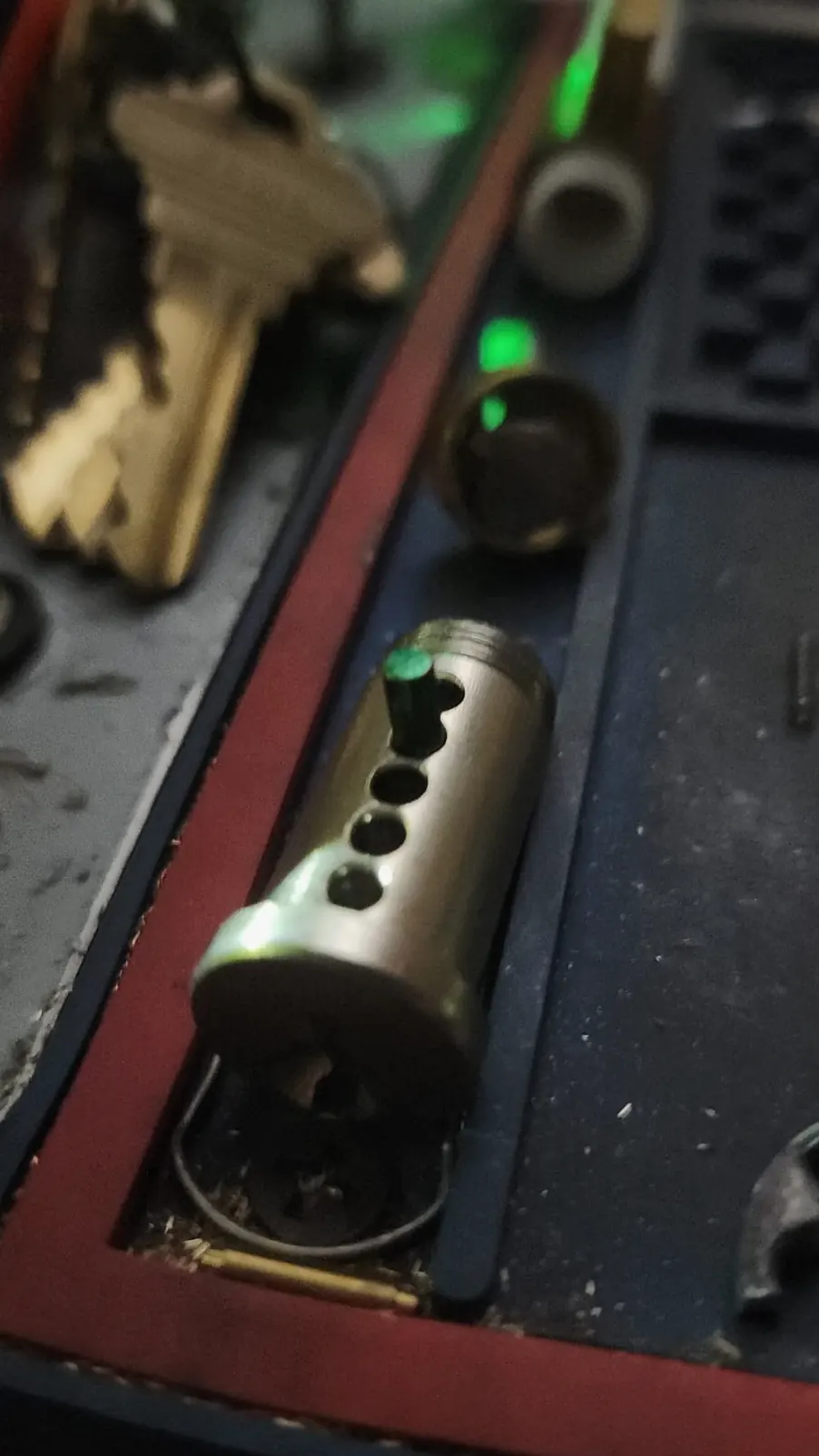
- Have the locksmith change the cylinder’s combination — For a suitable lock, the locksmith changes the internal combination, including the small pins inside the cylinder, so it matches the new key. Check that the work covers every lock on your list.
- Test the new key before closing the door — With the door open, check that the new key turns and operates the lock smoothly. Then check the lock from the other side if it has a key cylinder there, and confirm that the door latches normally.
- Keep track of the new keys — Label keys by door if several locks were changed, and make sure each person who needs access receives the correct key. Keep the list of rekeyed doors with your household or business records.
What Should You Check After a Lock Is Rekeyed?
Test each rekeyed lock with its new key while the door is open. The key should turn the cylinder and operate the latch without unusual resistance. Once that works, close the door and check that it latches and locks as expected.
If the new key does not work smoothly, or the lock behaves differently than the locksmith described, stop forcing it. Tell the locksmith which door and key are affected. A sticking lock can involve more than its key combination, so clear details help identify what needs attention.
Keep in mind that rekeying a lock does not change other locks that were not included in the work. Check your original door list and confirm that the locks you intended to secure were all addressed.
What Can Go Wrong If You Rekey the Wrong Lock?
A new key will not fix a damaged cylinder, a worn key, or a door that is out of alignment. If the key is difficult to turn, the lock is loose, or the latch does not line up with the door frame, describe those symptoms before choosing rekeying. The locksmith can assess whether the lock needs repair or replacement instead.
Another common problem is leaving out a door you meant to secure. A rekey changes only the cylinders included in the job, so make a clear list and review it with the locksmith. If a missing key may open several doors, identify each affected lock rather than focusing only on the main entrance.
If a rekeyed lock will not operate with the new key, do not force the key or try to take apart the cylinder. Keep the door open if possible and contact the locksmith who performed the work to discuss what you found.
Need help now? (240) 366-2739
What Should Renters Do Before Rekeying a Door Lock?
If you rent, contact your property owner or manager before arranging a lock rekey. Ask which doors you may have changed and how the new keys should be handled. This helps prevent access problems for you or the people responsible for the property.
For a business, make a list of the doors and the people who need access before deciding which locks to rekey. Share any staff or key-control changes with the person responsible for the premises. A locksmith can then assess the locks you identify and explain which can be rekeyed.
For help with a suitable lock, see our lock rekeying service. You can also use the Associated Locksmiths of America’s resources for choosing or checking a locksmith.
When Is It Time to Call a Locksmith About Rekeying?
Call a locksmith when you need a key change, cannot tell which locks are affected, or find that a lock is damaged or hard to operate. A locksmith can inspect the cylinder, explain whether rekeying fits the lock, and test the new key with you. Do not force a sticking key or take apart a lock if you are unsure what is causing the problem.
MD Locksmith provides lock rekeying and is open 24 hours a day, 7 days a week. To discuss the locks you need changed, contact us.
Frequently asked questions
Can a locksmith make a new key from a lock?
A locksmith can assess the lock and determine whether they can make a key that operates it. If your goal is to stop an old key from working, ask about rekeying rather than only getting another copy of the existing key.
Does rekeying change the whole lock?
No. Rekeying changes the key combination inside a suitable lock cylinder and keeps the existing hardware. Replacing a lock changes the hardware itself.
Can one key work for several rekeyed locks?
It may be possible if the locks are compatible. Ask the locksmith to assess the specific locks and confirm which doors the new key will operate.
Should I rekey a lock after losing a key?
If you cannot account for a key, rekeying the affected lock can make that key stop operating the cylinder. Tell the locksmith which doors the key may have opened so you can identify every lock that needs attention.
Talk With a Locksmith About Rekeying
Tell us which locks you want changed and what is happening with them. Call MD Locksmith at (240) 366-2739.